I. Introduction
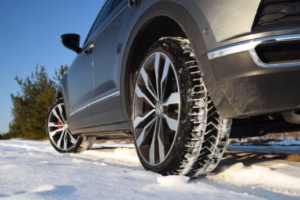
Canadian winters present severe and prolonged cold conditions, with ice- and snow-covered road surfaces posing measurable risks to vehicle safety. At ambient temperatures below 7°C, standard all-season tires experience rubber compound hardening, resulting in reduced pavement adhesion and increased stopping distances. Winter tires, engineered with specialized rubber formulations and tread geometries, are designed to maintain flexibility and provide optimized traction in low-temperature environments.
This winter tire buying guide provides a structured framework for vehicle owners to evaluate technical specifications, assess regional driving conditions, and navigate applicable regulations—enabling informed, safety-oriented purchasing decisions.
II. Functional Rationale for Winter Tires
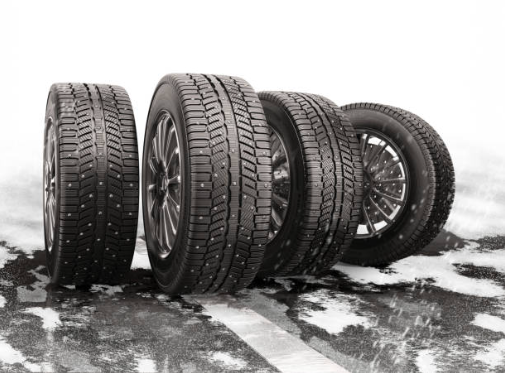
The physical performance limits of tires under cold conditions directly affect vehicle handling and collision avoidance capability. Winter tires distinguish themselves through design features specifically adapted to sub-zero operation:
Rubber Compound Formulation: Winter tires incorporate higher natural rubber content, maintaining molecular flexibility at low temperatures to preserve tread softness and sustain friction coefficients on cold pavement.
Tread Geometry Design: Deeper primary grooves and dense siping (fine lateral slots) enable water and slush evacuation while mechanically interlocking with snow and ice particles to generate traction.
Performance Evidence: Transport Canada test data indicates that at temperatures below 7°C, winter tires deliver significantly superior braking performance and handling stability compared to all-season alternatives, directly correlating with reduced accident probability. For motorists across the country, selecting appropriate winter tires Canada is one of the most effective measures to mitigate seasonal driving hazards.
III. Selection Criteria and Parameter Assessment
Selecting appropriate winter tires requires systematic evaluation of objective technical indicators, usage environment, and vehicle specifications. This section of the winter tire buying guide addresses the critical decision points.
A. Certification Markings
Sidewall markings serve as primary indicators of performance certification:
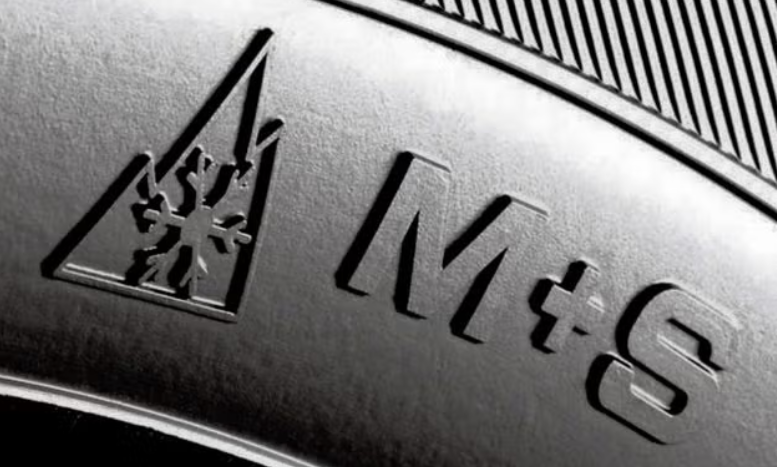
Three-Peak Mountain Snowflake Symbol: This symbol certifies that the tire has passed specific snow traction testing and meets Canadian regulatory standards for winter tire designation. It constitutes the primary identification criterion for purchasers.
Limitations of M+S Marking: Tires bearing only “M+S” (Mud and Snow) designation have not undergone the above-mentioned snow performance validation and cannot be considered equivalent in ice and hard-packed snow conditions.
B. Performance Orientation by Usage Environment
Winter tires Canada buyers should distinguish between two primary performance orientations based on regional road conditions:
Ice-Optimized Tires: Recommended for regions where winter road conditions are primarily characterized by ice and wet pavement (e.g., southern Ontario, coastal areas). These tires utilize silica-blended compounds and fine groove patterns to optimize ice braking and traction.
Snow-Optimized Tires: Recommended for regions experiencing deep, prolonged snow cover (such as northern Quebec, the Prairie provinces, and interior mountain areas). These tires employ more open shoulder designs and deeper tread depths to enhance propulsion through loose or compacted snow.
C. Studded vs Studless Winter Tires
The studded vs studless winter tires decision requires consideration of operational trade-offs and jurisdictional constraints:
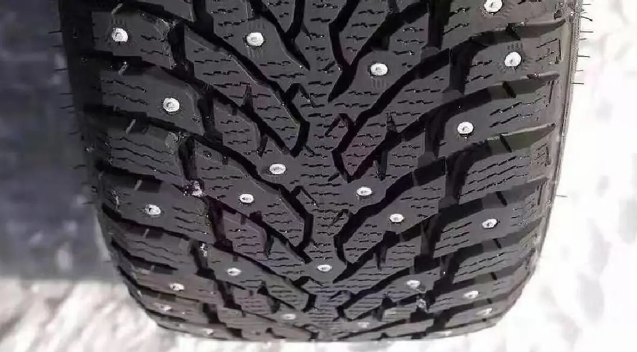
Studded Tires: Metal studs embedded in the tread provide maximum ice traction but generate elevated noise levels on dry or wet pavement, increase stopping distances on bare roads, and accelerate pavement wear.
Studless Tires: Advanced rubber compounds and siping technologies provide ice traction without studs, offering quieter operation and year-round legal compliance.
Regulatory Framework: Provincial regulations in Canada impose specific time-of-year and geographic restrictions on studded tire use (e.g., Ontario). Purchasers must verify applicable rules in their vehicle registration jurisdiction before acquisition.
D. Size Specifications and Cost Considerations
Size Compliance: Tire dimensions must strictly match manufacturer-recommended specifications. Reference information can be found in the vehicle owner’s manual, driver-side door jamb label, or fuel filler cap.
Brand Selection and Pricing: Market-leading brands include Michelin, Bridgestone, Continental, and Nokian, which offer extensively validated technical solutions; value-oriented alternatives such as Toyo and General Tire deliver adequate performance at lower price points. Per-tire pricing typically ranges from CAD 100 to 300. It is recommended to consult independent third-party tire evaluation data during the selection process. For those planning to buy winter tires Canada, comparing pricing across multiple authorized dealers and factoring in installation and balancing costs is a prudent approach to managing the overall expense.
IV. Installation Protocol and Maintenance Procedures
Systematic installation and routine maintenance are essential to ensure performance throughout the winter tire service life.
A. Timing for Tire Changes
Installation Trigger: When ambient temperatures are forecast to remain consistently below 7°C, winter tires should be installed. Across most Canadian regions, this typically occurs in early November.
Removal Timing: After temperatures have stabilized above 7°C in spring, winter tires should be replaced with all-season or summer tires. Extended use of winter tires in non-cold conditions accelerates tread wear and increases fuel consumption.
B. Storage Conditions
Uninstalled tires should be stored in a cool, dry location away from direct sunlight and ozone sources. Tires may be suspended vertically or stacked on dedicated tire racks; cleaning tread surfaces to remove debris prior to storage is recommended.
C. Pressure Management
Cold winter temperatures cause tire pressure to decrease. It is recommended to check inflation pressure (including spare tires) at least monthly and adjust to manufacturer-recommended levels to maintain proper contact patch geometry and rolling resistance.
V. Regional Recommendations
Based on the prevailing winter conditions across Canadian provinces, the following orientation guidance applies:
All-season vs winter tires decisions vary by region. Vehicle owners should evaluate their local climate patterns to determine whether dedicated winter tires are necessary or whether all-season alternatives may suffice in milder areas.
Ontario and Atlantic Provinces: Winter conditions feature freezing rain and wet, icy surfaces. Ice-optimized models (e.g., Michelin X-Ice, Bridgestone Blizzak) are recommended.
Quebec: Provincial regulations mandate winter tire installation by a statutory date, and snowfall volumes are substantial. Snow-optimized models (e.g., Nokian Hakkapeliitta) are strongly advised.
British Columbia: Coastal areas (Vancouver) primarily experience icy conditions; interior regions receive significant snow accumulation. Selection should be based on specific driving routes and elevations.
For those seeking to buy winter tires Canada, retail prices vary by brand and retailer; it is advisable to compare quotes from multiple authorized dealers and factor in installation and balancing costs.
VI. Product Spotlight: Forlander Winter Tires
Forlander Tires, a Chinese manufacturer established in 2011, offers a range of winter tires for both passenger and commercial vehicle applications. The brand positions its products as providing a balance of performance and competitive pricing.
PCR (Passenger Car Radial) Winter Tire Models:
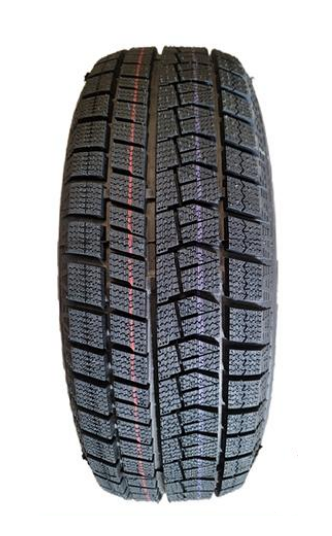
Bluesnow 01 (Studless): Features a high-density jagged sipe pattern designed to deliver superior grip and braking on snow and ice. Four longitudinal grooves enhance water drainage and handling performance. Available in 10 sizes, including 215/60R17 and 185/65R15.
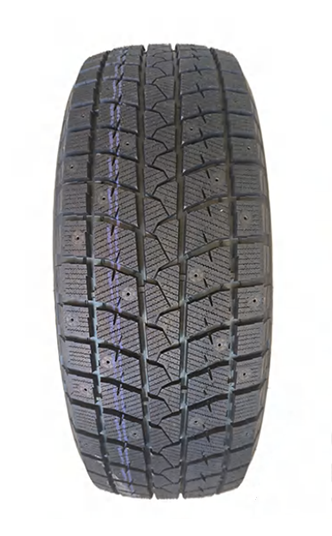
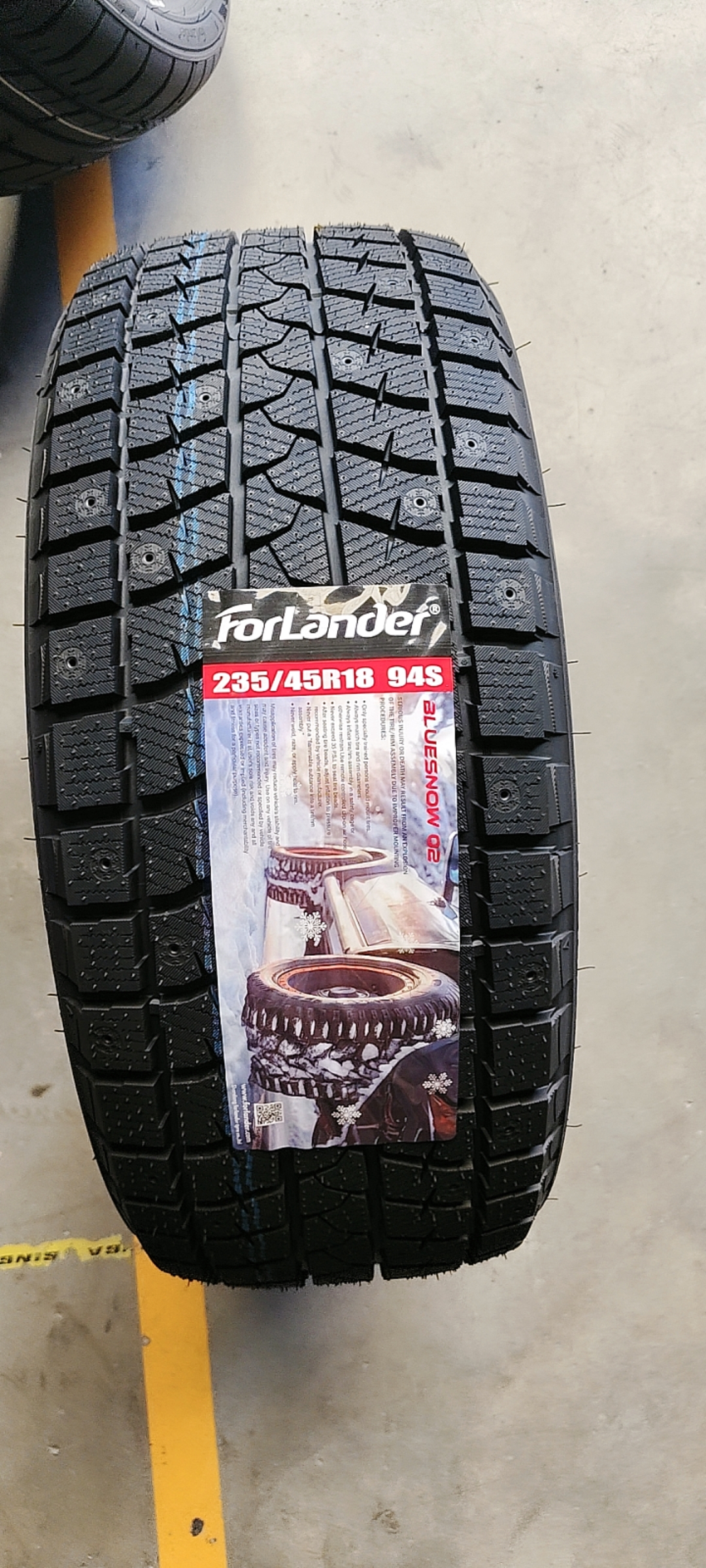
- Bluesnow 02 (Studless with Pre-drilled Stud Holes): Engineered with high-density sawtooth lateral grooves and a wider inner shoulder design to improve traction on snowy surfaces. Hundreds of tiny tread grooves absorb water to reduce aquaplaning risk. This model features pre-drilled stud holes, offering the flexibility to be used either as a studless tire or equipped with studs depending on road conditions and regulatory requirements. Available in 25 size options, including 245/40R18 and 245/45R18 for larger passenger cars and SUVs.
TBR (Truck and Bus Radial) Winter Tire Model:
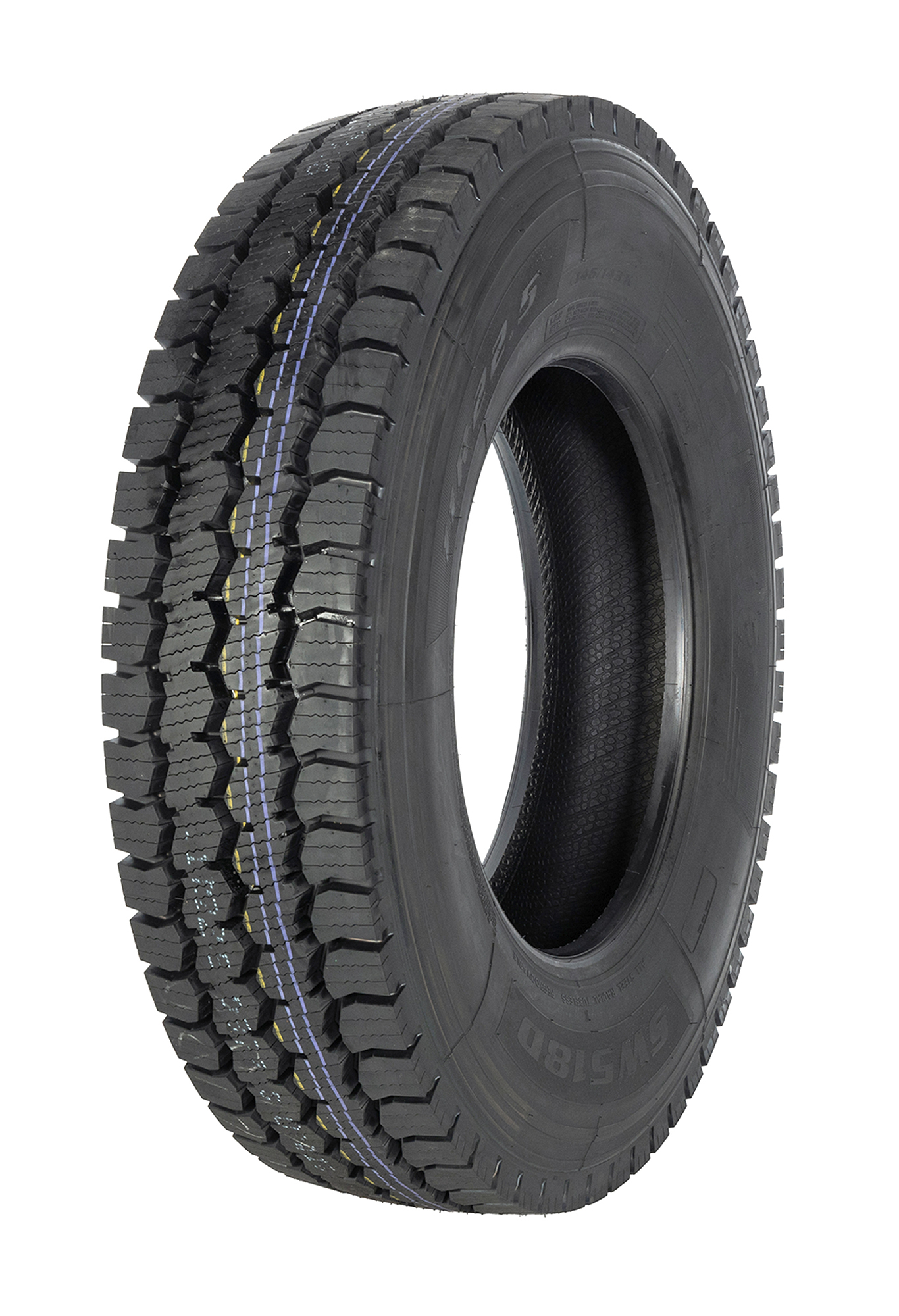
- SW518D (Drive Tire): Designed for regional, medium, and long-haul applications on national and provincial highways. Features a designated winter tread compound for enhanced wet-slippery resistance, vertically and horizontally widened grooves for traction on ice and snow, and 3D wavy sipes that improve ice-breaking capability. Tread depth measures 21.0 mm on the 11R22.5 size. According to Canadian customer feedback, this model can achieve up to 300,000 kilometers of service life. The tire compound utilizes natural rubber imported from Thailand with a content of up to 40%.
While Forlander may not carry the same brand recognition as established premium manufacturers like Michelin or Bridgestone, its product specifications, competitive pricing, and documented durability in commercial applications present an alternative worth considering within a comprehensive winter tire buying guide.
VII. Conclusion
Winter tire selection constitutes a rational decision-making process grounded in technical parameters, usage scenarios, and regulatory requirements. Vehicle owners should prioritize the Three-Peak Mountain Snowflake symbol as the entry-level certification criterion, determine performance orientation based on regional winter road conditions, and strictly adhere to manufacturer size specifications. Regulatory constraints on studded tire use must be verified prior to purchase, and installation timing alongside regular pressure checks should be incorporated into seasonal vehicle maintenance schedules.
Following this winter tire buying guide enables drivers to systematically reduce winter driving risk while optimizing long-term safety investment. A correctly specified and properly maintained set of winter tires consistently delivers reliable performance throughout Canada’s cold season.