I. Introduction
The winter tire market in Canada is experiencing price adjustments in 2026. Tariff policies, transportation costs, and manufacturing expenses are the primary drivers. For consumers planning vehicle preparation before winter, understanding price dynamics, product options, and replacement timing supports informed purchasing decisions. This article examines the winter tire market from a decision-making perspective, covering price drivers, product selection criteria, and timing recommendations based on industry data.
II. Price Increase Magnitude and Drivers
Key takeaway: Average prices up 5% in 2026; tariffs, freight, energy and labor costs are the three main drivers.
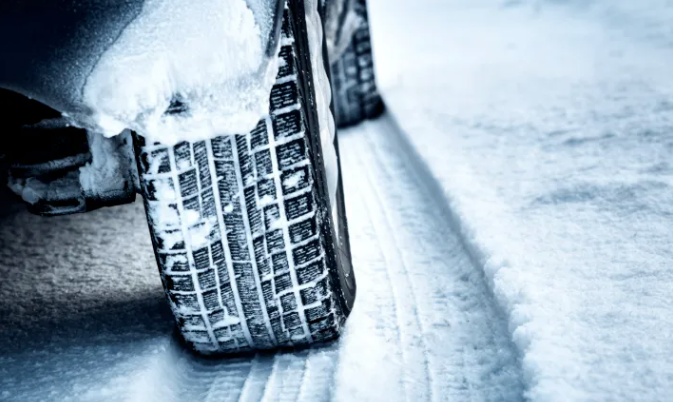
According to Degroot’s Tirecraft in Scarborough, Ontario, average tire retail prices in 2026 have risen approximately 5% year-over-year, affecting most brands in the Canadian tire market. Goodyear issued a price adjustment announcement in early 2026, citing production cost increases from tariff policies as the basis for raising retail prices in the U.S. and Canada.
Other factors include:
Duties on imported raw materials and finished tires
Sustained international freight rates
Elevated energy and labor costs in manufacturing
Tires produced within Canada have also been affected through supply chain linkages. Price increases represent a cost baseline across the Canadian tire market in the current cycle, regardless of brand or origin.
III. Safety Benefits versus Budget Constraints: Evaluating the Purchase Decision
Key takeaway: 80% of drivers use winter tires and 84% credit them with accident prevention, but 32% abandon purchase due to budget.
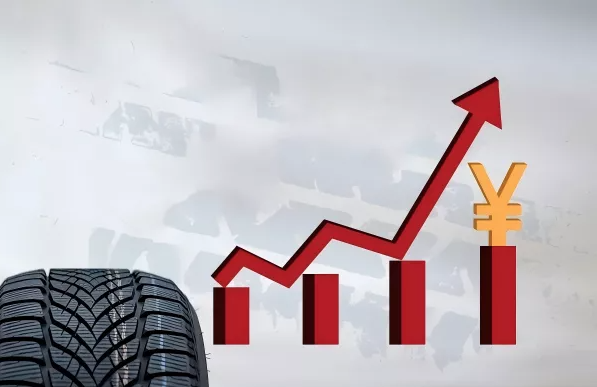
Given confirmed price increases, the primary consumer decision is whether winter tire investment is justified. This requires balancing safety advantages against incremental costs.
The Tire and Rubber Association of Canada (TRAC) reports:
80% of Canadian drivers use winter tires nationally
77% in Ontario
84% of respondents indicated winter tires helped them avoid accidents or loss of vehicle control
Winter tire compounds remain pliable below 7°C, providing superior braking distance and surface adhesion compared to all-season tires.
The same survey found that 32% of drivers are unlikely to purchase winter tires this year due to financial constraints.
| Driving Condition | Recommendation |
|---|---|
| Frequent snow, steep inclines, or long-distance routes | Prioritize winter tires |
| Urban, flat, low-snow roads | Consider all-weather tires (see Section V) |
IV. Replacement Timing: When to Schedule Installation
After the purchase decision, winter tire replacement scheduling is the next variable. Timing affects service convenience and product availability.
Industry professionals recommend scheduling winter tire replacement when temperatures consistently fall below 7°C—a threshold reached in late autumn, preceding first snowfall. Early installation provides avoidance of peak-season service delays, greater shop capacity for balancing and alignment, and opportunity for brake and suspension inspection.
Postponing until after snowfall may result in extended wait times and depleted inventory for popular sizes. Consumers should monitor autumn temperature trends and initiate winter tire replacement appointments upon crossing the 7°C threshold.
V. Product Category Choice: Winter Tires versus All-Weather Alternatives
For budget-conscious consumers or those with less demanding conditions, all-weather tires present a compromise. This category carries the 3PMSF (Three-Peak Mountain Snowflake) symbol for moderate winter capability while remaining suitable for year-round use.
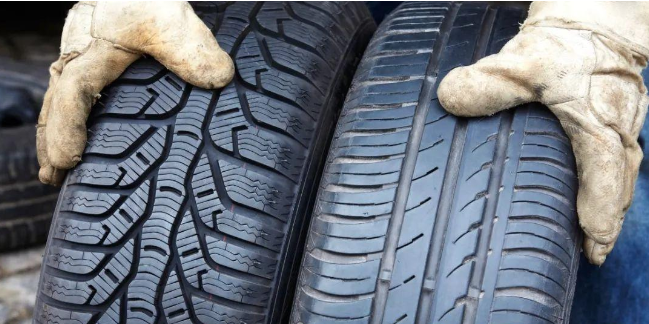
Consumer Reports testing indicates all-weather tires do not match dedicated winter tires in extreme snow conditions but outperform conventional all-season tires. Their primary advantage is eliminating seasonal changeovers, saving annual mounting and storage costs.
Product selection rule: drivers in snow-belt regions, mountainous areas, or with extended highway commutes should prioritize winter tires; those with short urban routes in milder zones may find all-weather tires acceptable. For these consumers, investigating buy winter tires Canada options is not necessary; comparing all-weather product lines suffices. For those choosing winter tires, comparing buy winter tires Canada pricing across retailers—including manufacturer rebates or seasonal promotions—remains prudent.
VII. Conclusion
The 2026 winter tire market in Canada shows systematic price increases driven by tariffs and cost inflation, yet this trend has not diminished winter tire performance advantages or consumer safety priorities. Buyers should select winter or all-weather tires based on driving conditions, schedule installation before the autumn 7°C threshold, compare prices across retailers, and factor in mounting and storage fees. Planning and needs-based selection remain the effective path to balancing safety and cost amid price fluctuations in the winter tire market.
Forlander‘s select truck tire series have received the U.S. EPA SmartWay certification, which recognizes low rolling resistance and high fuel efficiency for commercial vehicle tires, helping fleets reduce fuel consumption and emissions. Models such as the SW518D and SW515D have been validated through real-world use across multiple Canadian provinces, with some user data indicating that certain specifications can achieve up to 300,000 kilometers under Canadian road conditions. For any tire-related questions or needs, please feel free to contact us.