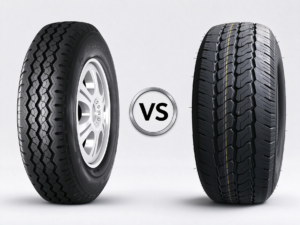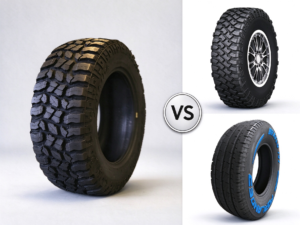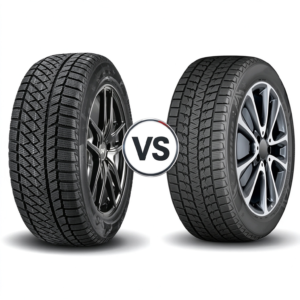
I. Introduction
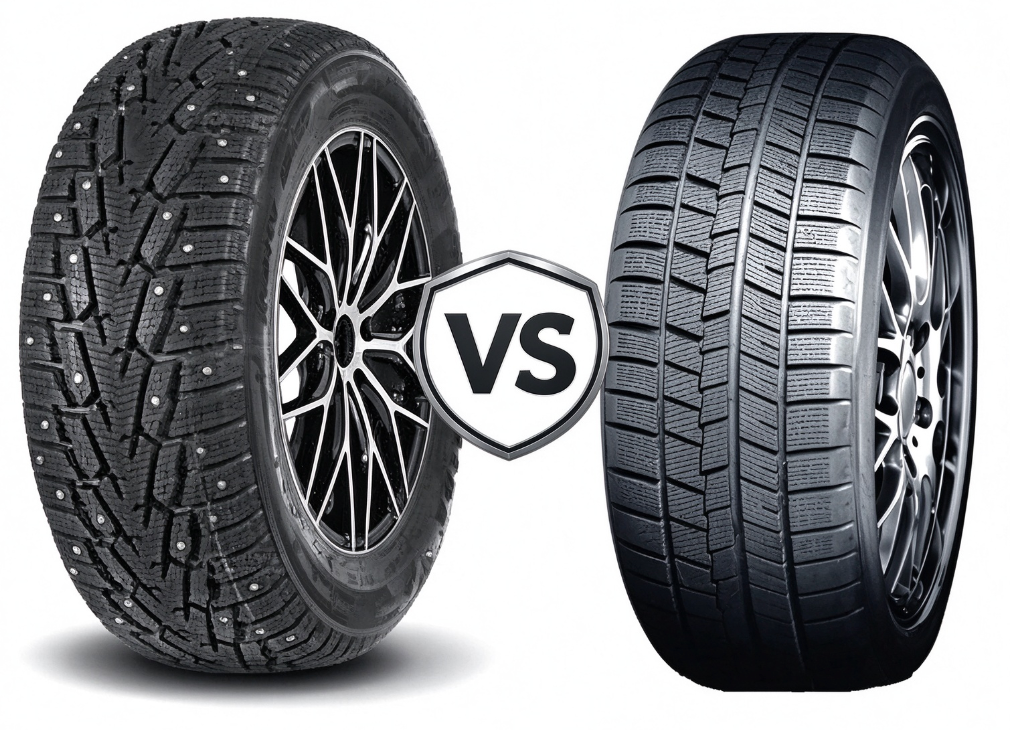
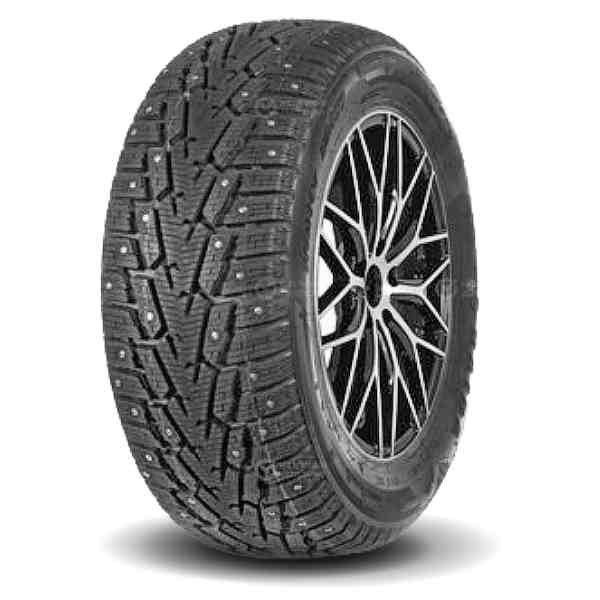
This article compares the HAIDA HD677 and the Forlander Blue Snow 02, two studded snow tires designed for winter conditions. The HAIDA HD677 is a winter tire for SUVs and light trucks, featuring 3D grooves, optimized stud hole arrangements, and directional V-shaped grooves. Its example size is LT275/65R18 M+S 10PR 123/120Q, with load and speed ratings covering heavy-duty requirements. The Forlander Blue Snow 02 is positioned for passenger cars (PCR), utilizing high-density sawtooth grooves, water-absorbing sipes, and computer-optimized tread designs. Its available sizes range from 205/65R16 to 255/45R18, with speed ratings including T, H, and S.
The two products differ in target vehicles, tread technology, load capacity, and size coverage. The following sections detail their technical features, performance parameters, and specification differences to support selection among the best tires for snow and ice.
II. Tread Technology and Specification Parameters
HAIDA HD677
3D Grooves: Increase contact area and improve grip on ice and snow.
Optimized Stud Hole Arrangement: Improves traction and steering while reducing noise.
Directional V-Shaped Grooves: Enhance the flow of water and snow.
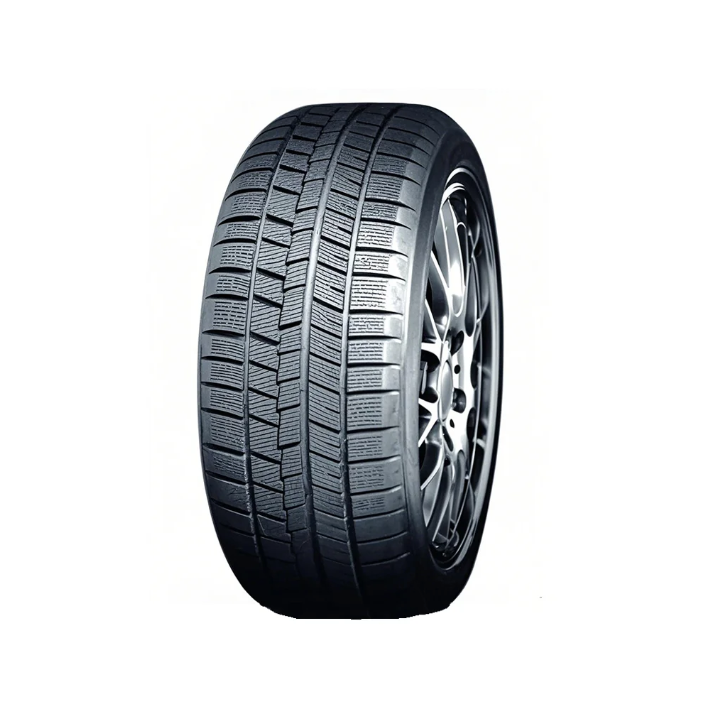
High-Density Sawtooth Lateral Grooves: Deliver grip on snow and ice, shortening braking distances.
Water-Absorbing Sipes: Absorb water from the tread surface to resist hydroplaning.
Wider Inner Shoulder Pattern: Improves snow traction.
Computer-Optimized Tread Block Arrangement: Enhances cornering stability and steering response while minimizing noise and vibration.
Durable Cold-Weather Compound: Stays flexible at extreme low temperatures, ensuring consistent performance.
III. Best snow tires: Core Performance Comparison
| Comparison Dimension | HAIDA HD677 | Forlander Blue Snow 02 |
| Target Vehicles | SUV, light truck | Passenger cars (PCR) |
| Ice and Snow Grip Mechanism | 3D grooves increase contact area | High-density sawtooth grooves provide grip |
| Traction and Steering | Optimized stud holes improve traction and steering | Wider inner shoulder improves snow traction; optimized blocks enhance steering response |
| Water and Snow Evacuation | Directional V-shaped grooves guide water and snow | Water-absorbing sipes absorb moisture and resist hydroplaning |
| Noise Control | Stud hole design reduces noise | Computer-simulated pattern minimizes noise and vibration |
| Low-Temperature Durability | Dedicated compound not specified | Cold-weather compound maintains flexibility |
| Size Coverage | Single heavy-duty example (LT275/65R18) | Multiple sizes from 205/65R16 to 255/45R18 |
| Load Index Range | 123/120 (example) | 91 to 104 |
| Speed Rating | Q (example) | T, H, S |
IV. Size Specifications and Market Positioning
The HAIDA HD677 is offered in a heavy-duty example size of LT275/65R18 M+S 10PR 123/120Q, categorized as a winter tire with a 10PR ply rating. This single-size presentation reflects its positioning toward SUV and light truck applications requiring higher load capacity.
The Forlander Blue Snow 02 covers a broader passenger car range. Its standard rim spans 6.0J to 9.0J, section width ranges from 209 mm to 260 mm, and overall diameter ranges from 626 mm to 715 mm. Maximum load is rated between 615 kg and 900 kg, with maximum pressure between 300 kPa and 340 kPa. This size spread supports its positioning across multiple passenger car dimensions.
Consumers searching for winter tire deals or snow tires for sale should verify specific size availability with dealers, as the parameters above represent series ranges rather than guaranteed stock for every dimension.
V. Conclusion
The HAIDA HD677 targets SUVs and light trucks with 3D grooves and optimized stud holes for heavy-duty traction, while the Forlander Blue Snow 02 serves passenger cars with sawtooth grooves and water-absorbing sipes for braking and quiet handling. The HD677 offers a heavy-duty size example, whereas the Blue Snow 02 covers a broader range of passenger car dimensions. Both models provide winter performance within their respective segments. For drivers evaluating snow tires for cars or selecting dedicated studded snow tires, the choice depends on vehicle type, load requirements, and size compatibility.