I. Introduction
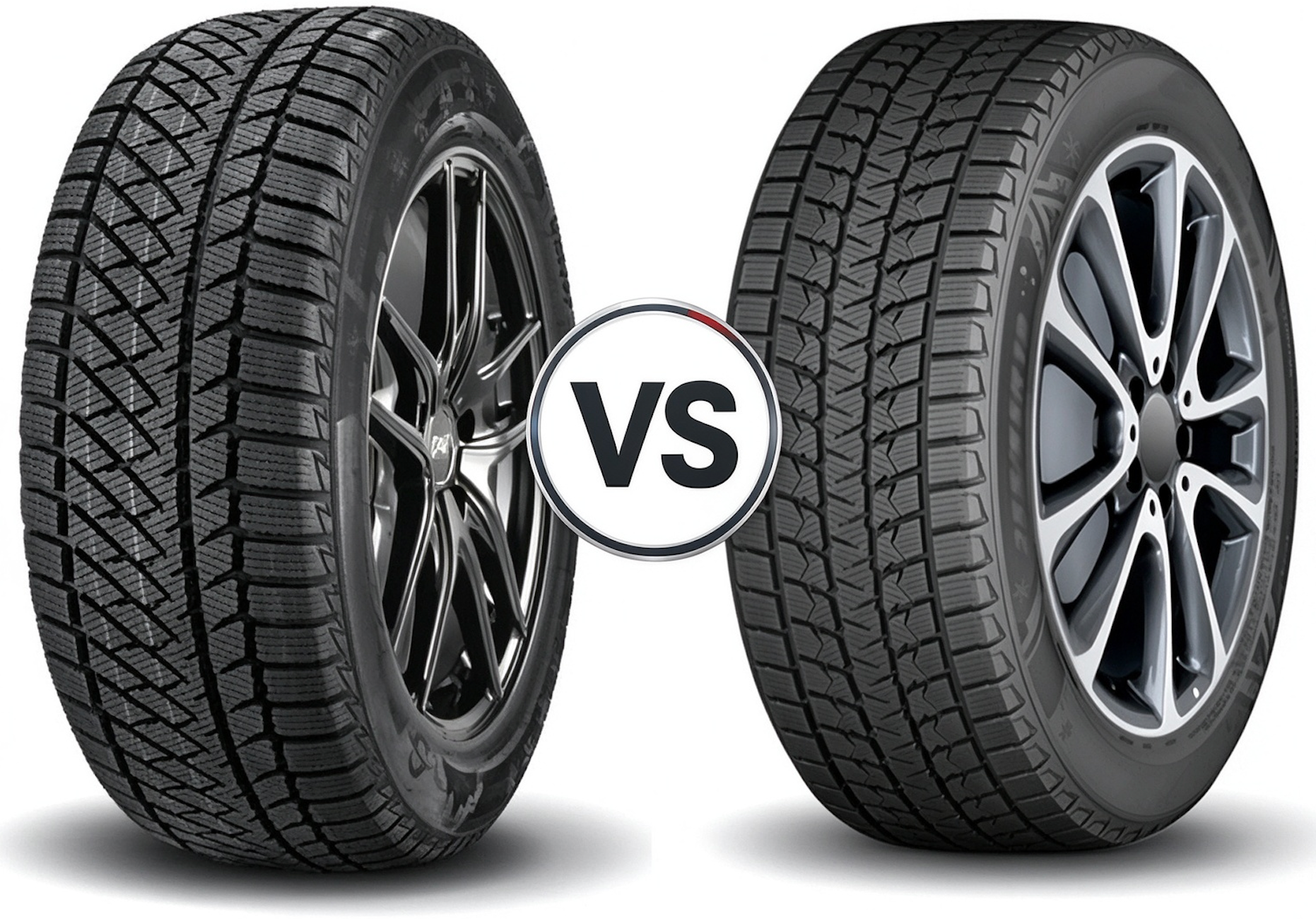
This article compares the HAIDA HD687 and the Forlander Blue Snow 06, two winter tires evaluated among the best snow tires for cold-weather driving. Both models are engineered for passenger vehicles and SUVs, yet they approach winter traction through different tread technologies and design philosophies. The HAIDA HD687 is a winter touring tire, featuring an asymmetric tread design and a dedicated winter compound that together address ice and snow grip, water evacuation, and driving stability. The Forlander Blue Snow 06 is a studless winter tire, utilizing a large block tread design, a unidirectional pattern, and a multi-pitch tread design to deliver snow traction, ice grip, and noise reduction.
Beyond their structural differences, the two products also diverge in size coverage, load and speed ratings, and intended vehicle applications. Understanding these distinctions is essential for drivers assessing winter wheels and tires, reviewing winter tire sale options, or comparing winter tires price levels before purchase. The following sections detail the technical features, core performance characteristics, and size specifications of each model to support an informed comparison among the best tires for snow and ice.
II. Best Tires for Snow and Ice: Core Performance Comparison
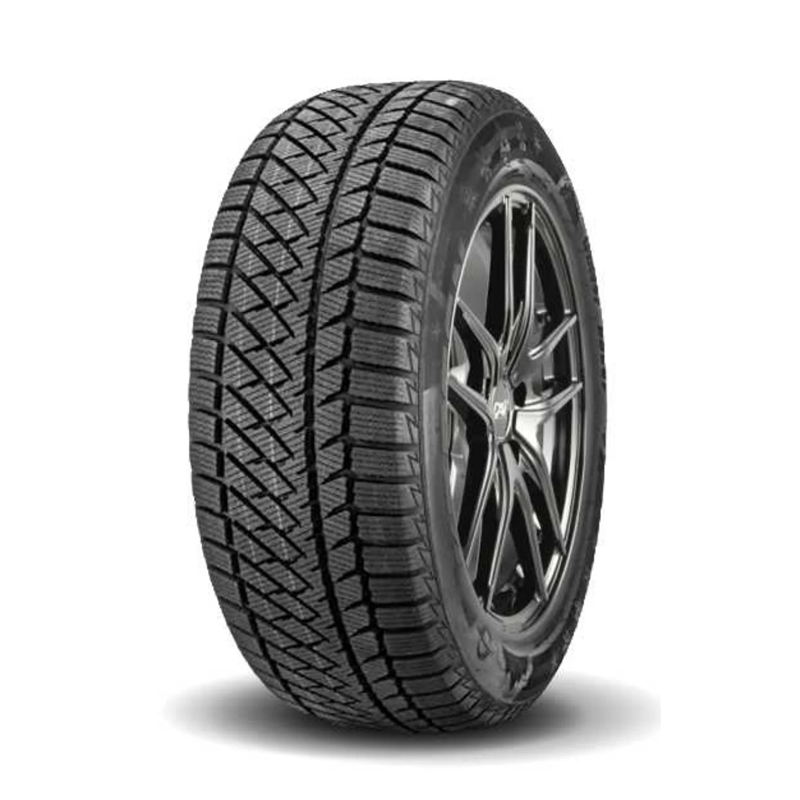
HAIDA HD687
Ice and Snow Grip: The asymmetric tread and winter compound work together.
Water and Snow Evacuation: Zigzag grooves disperse water, snow, and ice.
Handling and Stability: The optimized tread pattern ensures stability and steering response.
Noise Control: The tread design reduces road noise.
Product Attribute: Winter touring tire for passenger vehicles and SUVs.
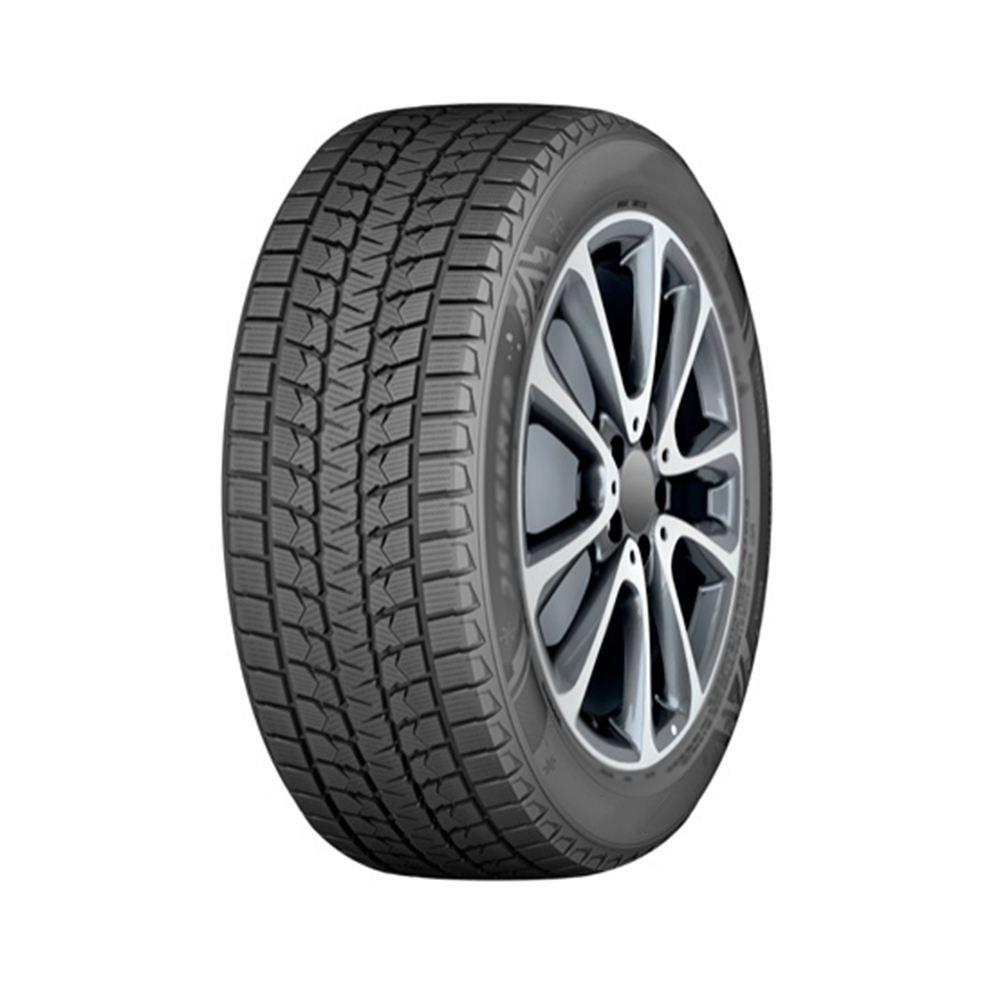
Snow Traction: Large blocks and the unidirectional pattern improve snow traction and evacuation.
Ice Grip: Jagged blocks and high-density edges improve ice grip.
Noise Control: The multi-pitch tread design reduces pattern noise.
Product Attribute: Studless winter tire for passenger vehicles.
III. Size Specifications
| Comparison Dimension | HAIDA HD687 | Forlander Blue Snow 06 |
| Target Vehicles | Passenger vehicles, SUVs | Passenger vehicles |
| Tire Type | Winter touring tire | Studless winter tire |
| Tread Pattern | Asymmetric | Directional |
| Snow and Ice Grip Mechanism | Asymmetric tread, winter compound | Large block tread, jagged blocks, high-density edges |
| Water and Snow Evacuation | Zigzag grooves | Unidirectional pattern |
| Noise Control | Tread design reduces road noise | Multi-pitch tread design |
| Size Coverage | 19-inch sizes | 215/55R17 to 235/40R19 |
| Load/Speed Range | 107H | 91S to 107S XL |
| Rim Range | 19-inch | 7J to 9J |
| Max Pressure | Not specified | 300 kPa to 340 kPa |
IV. Tread Technology and Design
The HAIDA HD687 uses an asymmetric tread design. Its zigzag grooves evacuate water, snow, and ice to improve hydroplaning resistance. The optimized tread pattern supports driving stability, steering response, and handling. The tread design reduces road noise for a quiet and comfortable driving experience. The winter compound provides grip on ice and snow.
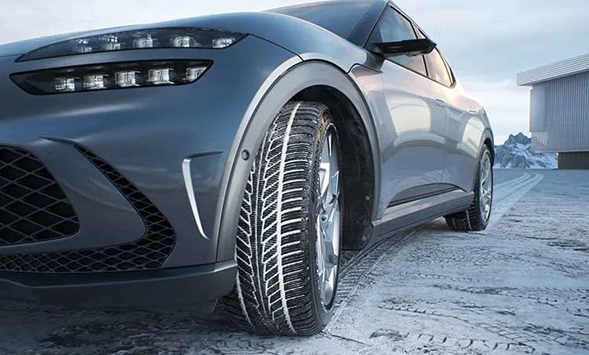
The Forlander Blue Snow 06 uses a large block tread design to improve snow traction and handling. Its unidirectional pattern provides snow evacuation and consistent grip. Jagged blocks and high-density edge arrangements improve grip on ice and snow. The multi-pitch tread design reduces pattern noise for a smooth ride. The dedicated compound provides traction on ice and snow. For drivers comparing winter wheels and tires, these tread features are relevant selection criteria.
V. Conclusion
The HAIDA HD687 centers on an asymmetric tread design and zigzag grooves, focusing on ice and snow grip, water and snow evacuation, and driving stability for passenger vehicles and SUVs. The Forlander Blue Snow 06 centers on large blocks, a unidirectional pattern, and multi-pitch design, focusing on snow traction, ice grip, and noise control for passenger vehicles. The two products differ in tread logic and size coverage. Consumers should consider vehicle type, size requirements, and winter performance needs when checking winter tire sale options or evaluating winter tires price differences before making a final selection.