I. Introduction
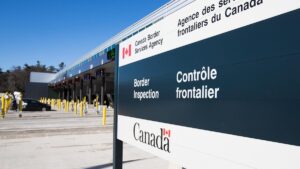
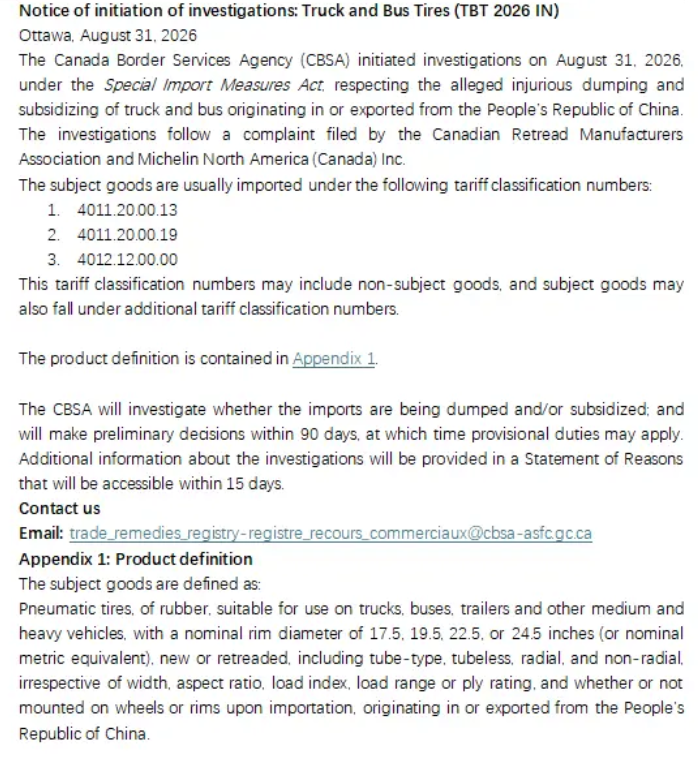
Canada is investigating certain truck and bus tires (TBT) from China for alleged dumping and subsidizing. The Canada Border Services Agency (CBSA) launched the investigations on August 31, 2026, and estimated a 29.1% dumping margin. For buyers tracking Chinese tire tariffs, this figure is an investigation-stage estimate, not a final anti-dumping duty rate.
The case is now moving through the Canadian trade-remedy process. The Canadian International Trade Tribunal (CITT) is conducting a preliminary injury inquiry, while the CBSA continues its dumping and subsidy investigations.

II. Why Did Canada Launch the Investigation?
On July 10, 2026, the CBSA received a complaint from the Canadian Retread Manufacturers Association (CRMA) and Michelin North America (Canada) Inc. The complaint alleged that certain truck and bus tires from China were dumped and subsidized and that these imports caused injury to the Canadian industry.
The CBSA launched the investigations on August 31, 2026.
The investigation considers factors including:
- Changes in Chinese tire import volumes
- Import prices and price undercutting
- Canadian industry market share
- Sales and profitability
- Production and capacity utilization
- Employment and investment
- The relationship between dumping or subsidizing and injury to the Canadian industry
These are investigation factors and allegations. The final findings have not yet been determined.
III. What Do Chinese Tire Tariffs Mean for Buyers?
The CBSA estimated a 29.1% weighted-average dumping margin based on data from April 1, 2025 to March 31, 2026.
Importantly, 29.1% is an estimated dumping margin, not a final anti-dumping duty rate. The case also includes a countervailing-duty investigation, and final measures will depend on the investigation results.
For Canadian importers, the figure should be used as a reference for potential sourcing costs, not as a confirmed 29.1% increase in purchase cost.
IV. Which Chinese Tires May Be Covered?
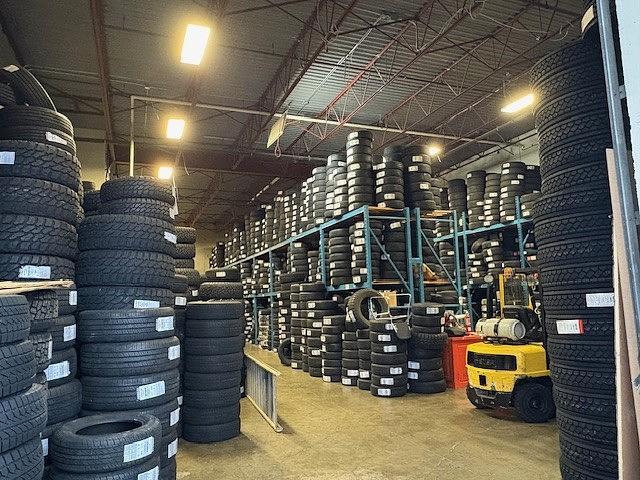
The investigation covers TBT products for trucks, buses, trailers, and other medium and heavy vehicles. The published product definition covers tires with nominal rim diameters of 17.5, 19.5, 22.5, or 24.5 inches, or their nominal metric equivalents.
It includes new and retreaded tires, tube-type and tubeless tires, and radial and non-radial tires.
Passenger car and light truck tires, motorcycle tires, and products outside the published TBT definition are not covered by this product scope.
Therefore, buyers should not assume that all Chinese tires are subject to the same 29.1% treatment. The specific product definition published by the CBSA should be checked for each product.
V. Why Does the Investigation Matter to Canadian Buyers?
Chinese TBT products represent a significant share of Canada’s import market. For buyers researching the tire in Canada market, final trade measures could affect the landed cost of Chinese TBR imports.
A lower FOB price does not necessarily mean a lower final purchase cost if trade measures, ocean freight, customs clearance, or inventory costs change. Buyers therefore need to look beyond FOB pricing when comparing supply sources.
For buyers following Canadian Tire Policy and related trade-remedy developments, the key question is not the 29.1% figure alone, but how any final measures could affect the landed cost of specific products and the existing supply chain.
VI. What Should Overseas Buyers Do Now?
For companies already purchasing or planning to purchase Chinese TBR products, the focus should be on product scope, landed cost, and supply chain planning.
1. Check the product scope
Confirm whether the purchased specifications fall within the CBSA’s subject-goods definition. Do not treat 29.1% as a uniform rate for all Chinese tires.
2. Recalculate sourcing costs
The 29.1% figure is an estimated dumping margin, and final measures have not yet been determined. Buyers can model different cost scenarios rather than relying only on FOB prices.
3. Verify supplier information
Confirm the actual manufacturing factory, exporting entity, and country of origin of the products.
4. Monitor suppliers and the investigation
Maintain communication with suppliers and track potential changes to prices, delivery schedules, and supply arrangements.
5. Consider a second supply source
For high-volume TBR specifications, a second supplier can reduce exposure to future cost or supply changes.
There is no need to make purchasing decisions based only on the 29.1% estimate. A more practical approach is to monitor the investigation and adjust sourcing plans according to product mix, purchasing volume, supplier structure, and final trade measures.
VII. What Are the Key Dates to Watch?
The case remains under investigation.
October 30, 2026:
The CITT is scheduled to determine whether there is a reasonable indication that the alleged dumping and subsidizing have caused injury or threaten to cause injury to the Canadian industry.
November 30, 2026:
The CBSA is scheduled to issue preliminary determinations on dumping and subsidizing, or terminate the investigations.
March 1, 2027:
The CBSA is scheduled to issue its final determinations or terminate the investigations.
These dates will be important for importers, distributors, and buyers monitoring truck tires canada sourcing conditions.
VIII. Conclusion
Canada’s investigation into Chinese TBT could affect sourcing costs and supply chains. The 29.1% figure is an estimated dumping margin, not a final anti-dumping duty rate.
For overseas buyers, the key steps are to confirm product coverage, assess landed costs, verify suppliers, and monitor the investigation. Buyers researching tyre anti dumping developments should continue to track CBSA and CITT updates.
Forlander Tire is actively responding to the investigation and is submitting relevant information on its production, sales, costs and other supporting materials to the authorities. Through active cooperation with the investigation, Forlander is seeking an individual duty rate that reflects its own business and cost data and may be lower than rates applicable to non-cooperating exporters, subject to the final determination by CBSA.
For Canadian buyers sourcing Forlander tires, the company will continue to monitor the investigation and provide relevant updates as official decisions are issued. Buyers should also confirm product coverage, communicate with suppliers, review landed costs and follow CBSA and CITT decisions before making long-term purchasing arrangements.