Importing tyres from China offers Canadian buyers clear cost advantages, but also carries compliance, consistency, delivery, and after-sales risks. This article examines these four risk areas, outlines practical control methods, and introduces Forlander’s certified products, customer projects across major Canadian cities, and targeted tyre solutions. The goal is not to avoid risk entirely, but to manage it systematically for sustainable competitive advantage.
I. A Practical Procurement Guide for Canadian Tire Importers and Distributors
Canadian tire importers, distributors, and fleet operators evaluating tires from China face a familiar dilemma. Chinese manufacturers offer competitive pricing, broad product variety, and scalable production capacity. However, concerns about regulatory compliance, product consistency, delivery reliability, and after-sales support can make supply chain diversification decisions difficult.
Import tyres from China is not inherently high-risk. The outcome depends on how effectively risks are identified, evaluated, and managed. The following sections outline the core risk areas and corresponding control methods.
II. Four Major Risks in International Tyre Sourcing
1. Regulatory Compliance Risk
Canada enforces strict safety and labelling requirements for tire imports. Non-compliant products may face customs delays, additional inspections, or market access restrictions. Compliance issues typically arise when suppliers lack North American market experience or maintain inadequate certification records.
Buyers should verify:
Valid DOT certification
Quality system certification
Product traceability documentation
Labelling compliance with Canadian requirements
2. Product Consistency Risk
A sample passing testing does not guarantee consistent mass production quality. Variations in raw materials, formulas, processes, or quality control can affect tread wear, fuel efficiency, retreadability, heat resistance, and service life. For fleets operating across Canada’s diverse climates, batch-to-batch consistency often matters more than initial price.
Assess suppliers for:
Documented quality systems
Batch traceability procedures
Ongoing performance verification programmes
3. Supply Chain and Delivery Risk
Ocean freight delays, port congestion, labour disputes, severe weather, and inland bottlenecks can interrupt inventory. For distributors and fleets, delayed deliveries mean lost sales and operational downtime.
Mitigation measures:
Maintain safety stock
Diversify freight routes
Require transparent production schedules
Establish long-term forecasting agreements
4. Warranty and After-Sales Support Risk
A tyre programme’s long-term value depends on warranty and technical support. When premature wear, early failure, or performance issues occur, buyers need clear warranty terms and timely response. Some international suppliers lack structured claims processes.
Qualified suppliers should provide:
Written warranty policies
Clear claims procedures
Technical investigation support
Reasonable resolution timelines
III. Risk Control Methods for Canadian Importers
Experienced buyers do not eliminate risk entirely. They implement structured systems to control risk while preserving cost advantages.
- Supplier Audits. Independent third-party factory audits provide objective assessment of manufacturing capabilities, quality systems, and actual production capacity.
- Contract Management. Warranty scope, specifications, acceptance criteria, and dispute resolution should be documented before production starts.
- Logistics Planning. Avoid dependence on single shipping routes or inventory points. Diversify transportation and plan strategic inventory.
- Transparency Requirements. Prioritise suppliers that share production schedules, testing data, quality reports, and operational updates regularly.
For Canadian tire distributors, sourcing tires from China requires careful supplier evaluation across all these dimensions.
IV. Import Tyres from China: Supplier Capability Assessment
When evaluating potential partners, buyers should assess suppliers against these operational dimensions.
- Compliance Management. Products must meet DOT and other target market certification requirements. Technical documentation and testing records must be complete and accessible.
- Quality Control. Each batch should link to manufacturing records, raw material data, and quality inspection results, enabling traceability and root cause analysis.
- Production Stability. Suppliers should have scalable manufacturing and mature export experience, maintaining stable production and delivery schedules across multiple markets.
- Customer Support. Beyond product supply, suppliers should maintain long-term relationships through technical communication, market feedback, and product improvement.
V. Forlander: A Tyre Supplier for the Canadian Market
Forlander offers a verifiable risk control framework for Canadian buyers.
1. Compliance and Certification
Forlander products hold multiple international certifications, including DOT, ECE, INMETRO, REACH, GCC, and SONCAP. The factory maintains CCC, ISO, and other quality system certifications. Complete technical documentation supports Canadian market compliance.
2. Customer Feedback from Canadian Operations
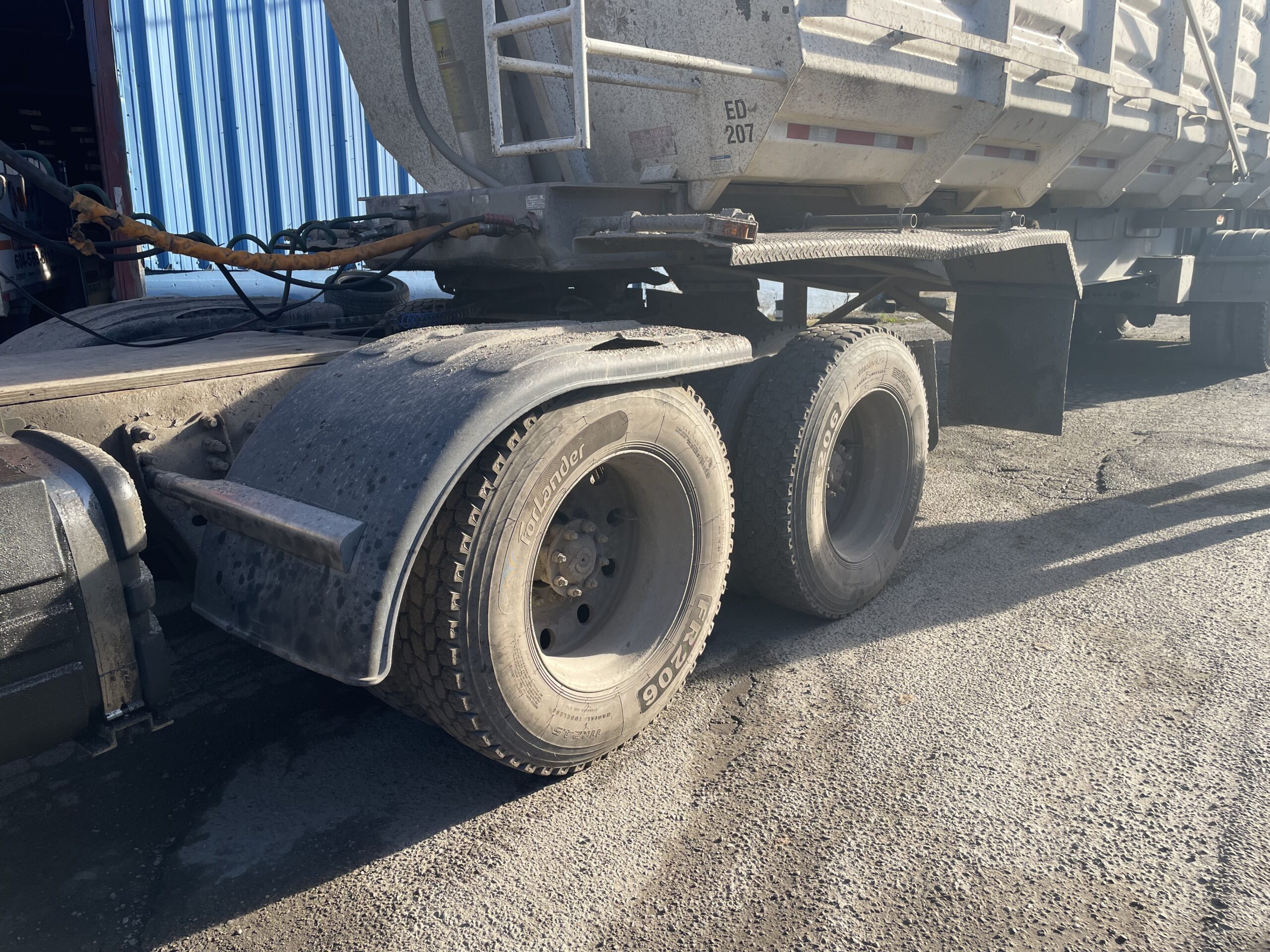
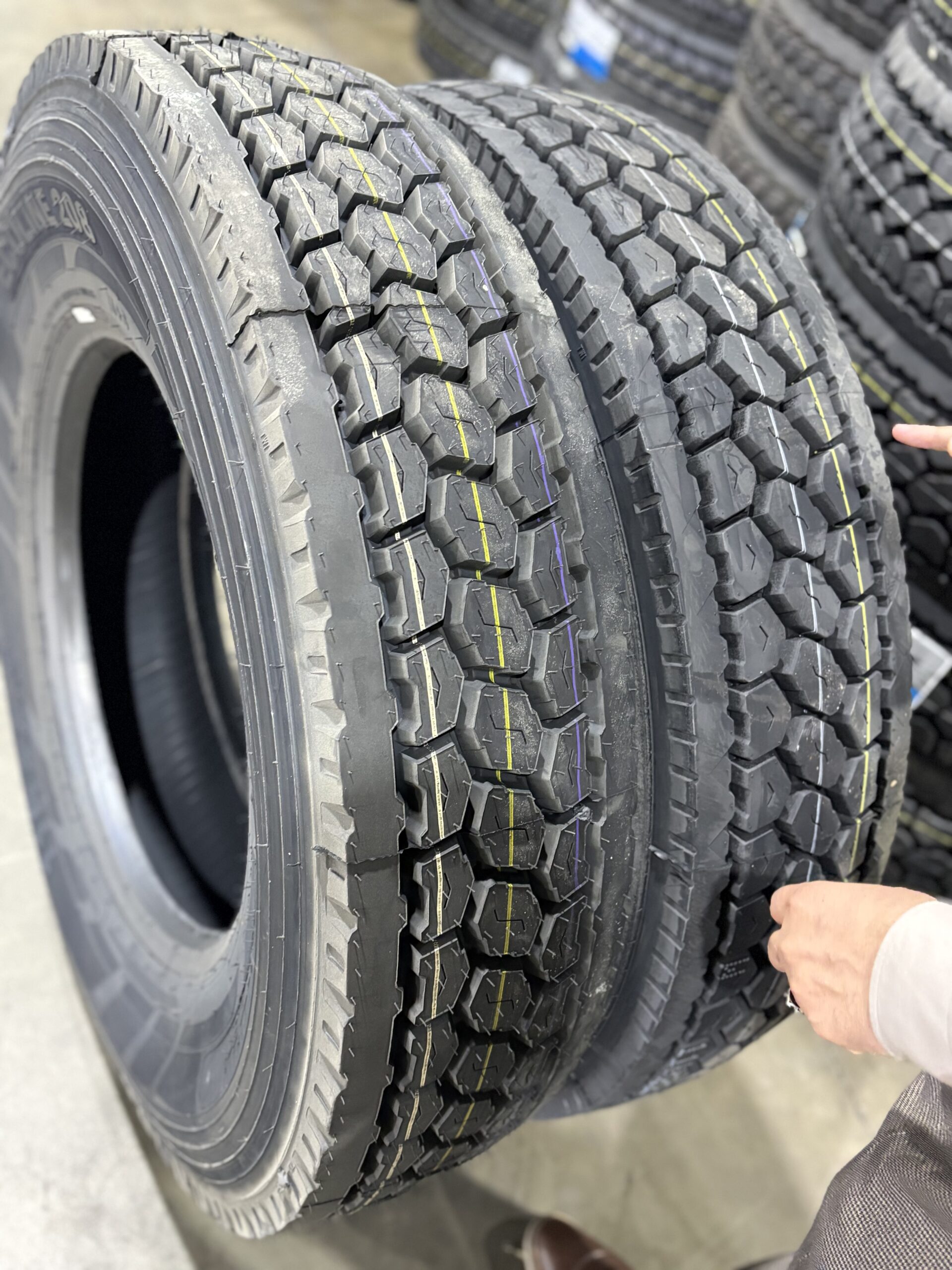
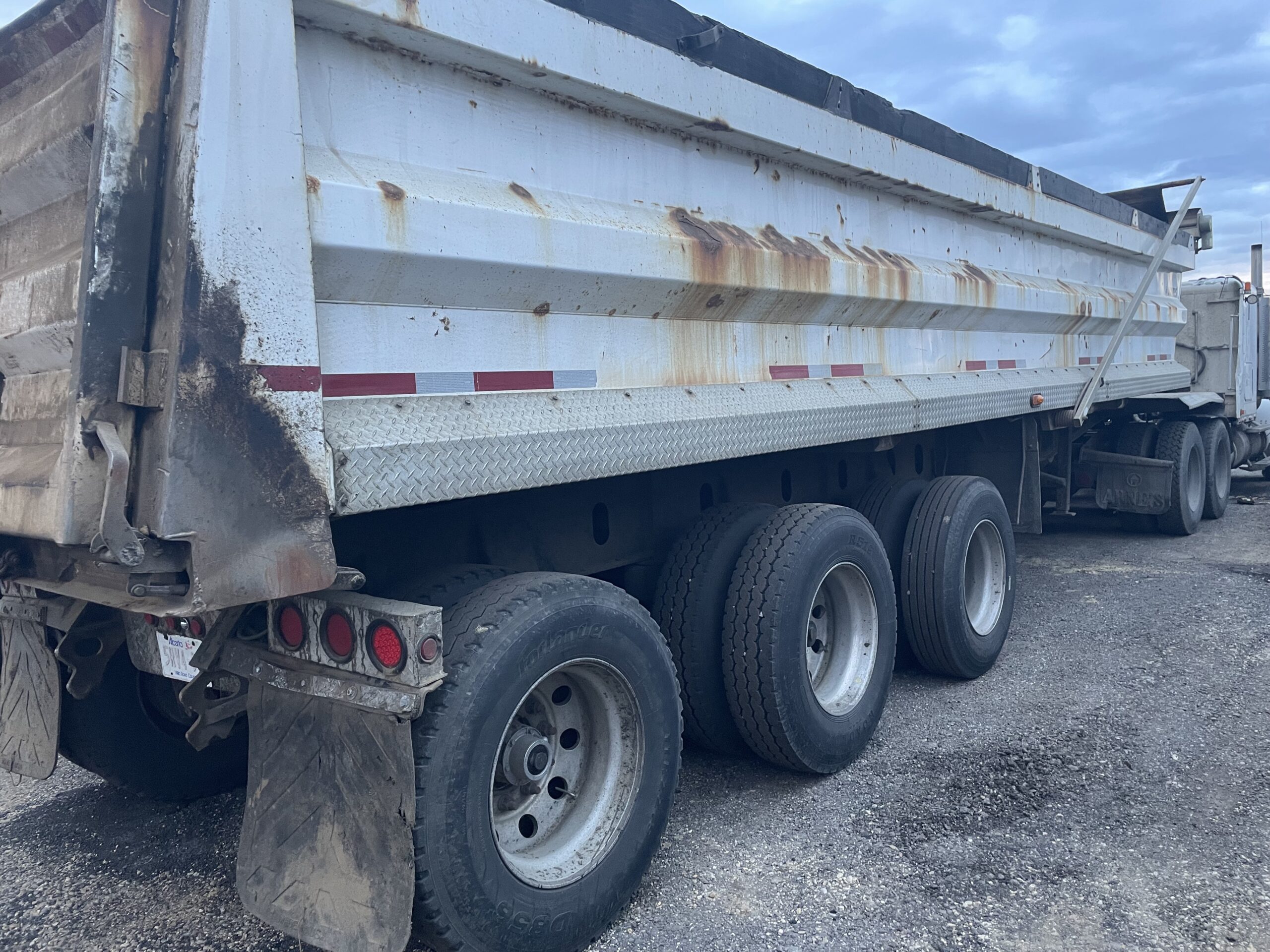
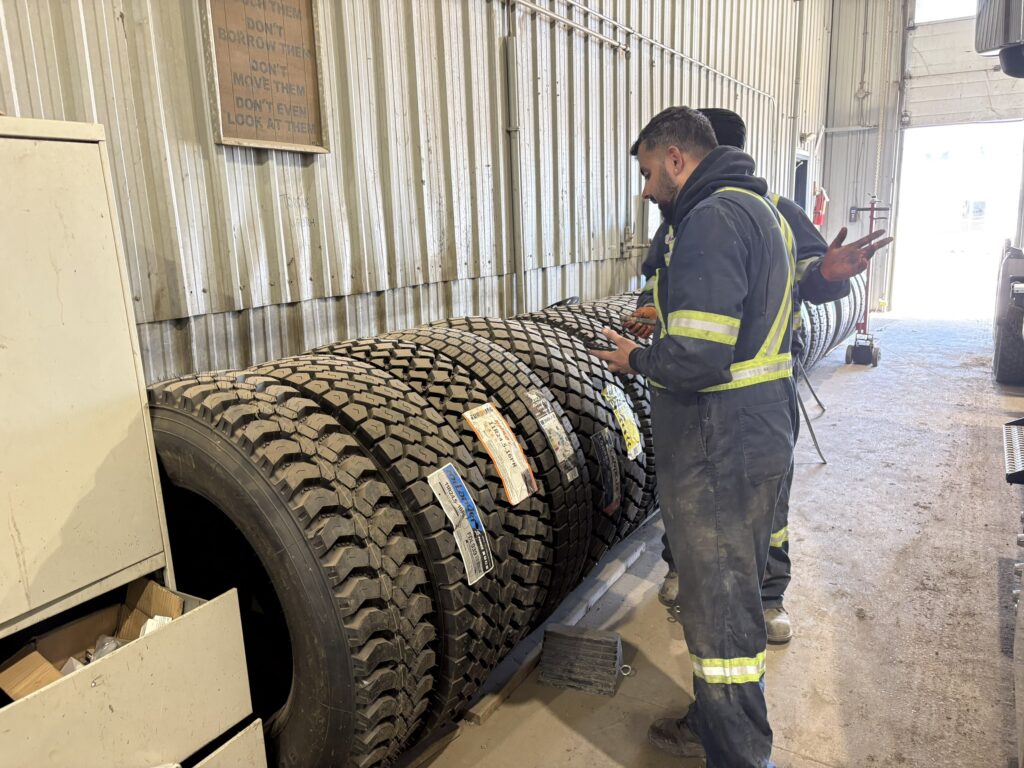
Forlander’s 11R22.5 drive tyres FR208 and FR206 Plus have been validated in Canadian fleet operations. Based on 12-month trial data from a Canadian logistics company:
FR208 provides even tread wear and low rolling resistance for highway use
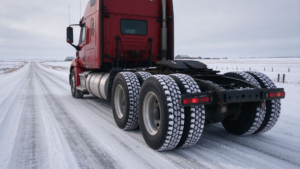
FR206 Plus delivers effective traction on snow and ice with lateral groove and open shoulder design
Customer feedback: “FR208 and FR206 Plus meet our requirements for winter traction, fuel economy, and tread life.”
Additional feedback indicates Forlander 11R22.5 SW518D tyres achieve 300,000 kilometres in actual operation.
3. Customer Site Visits and Field Verification
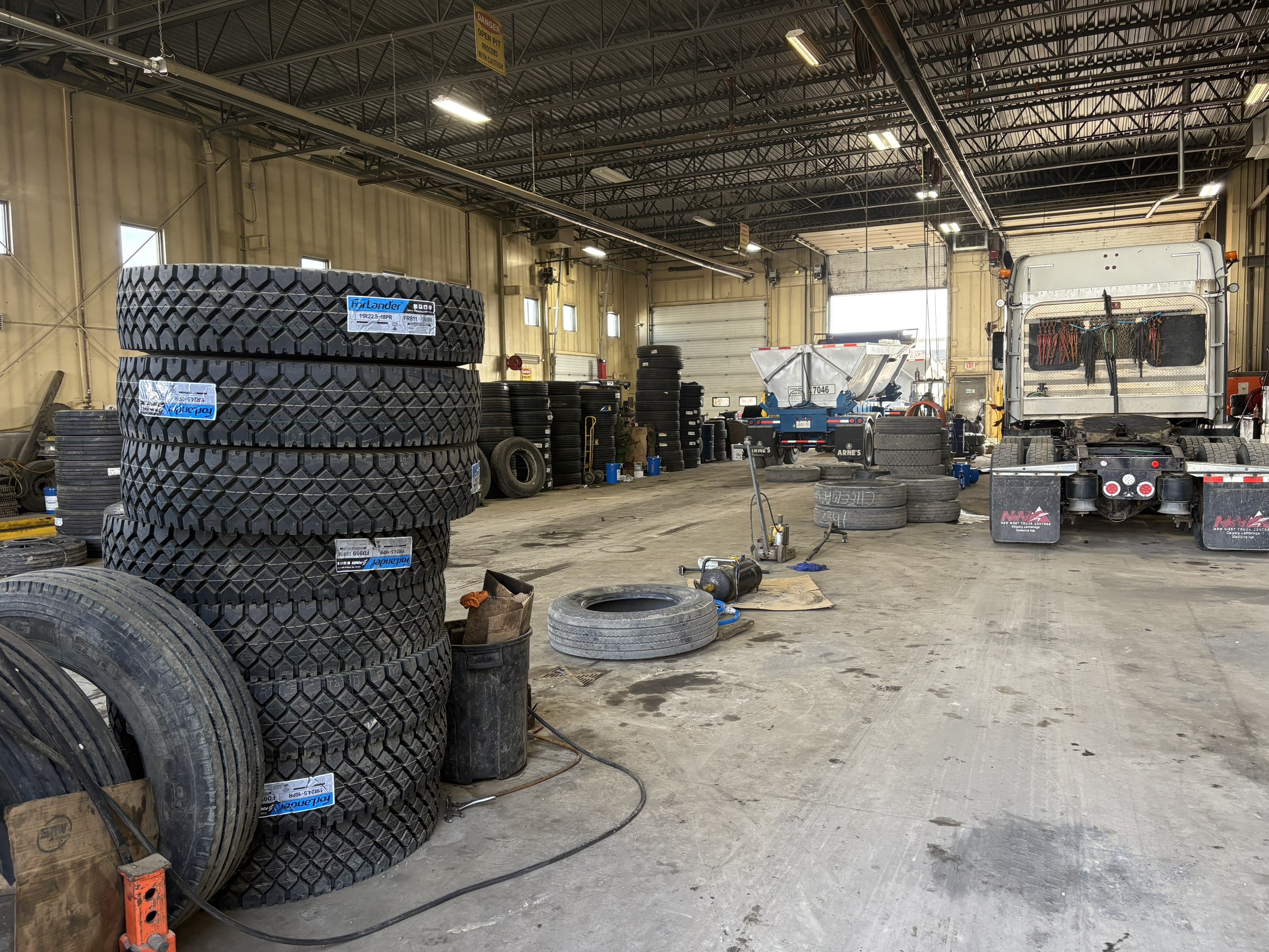
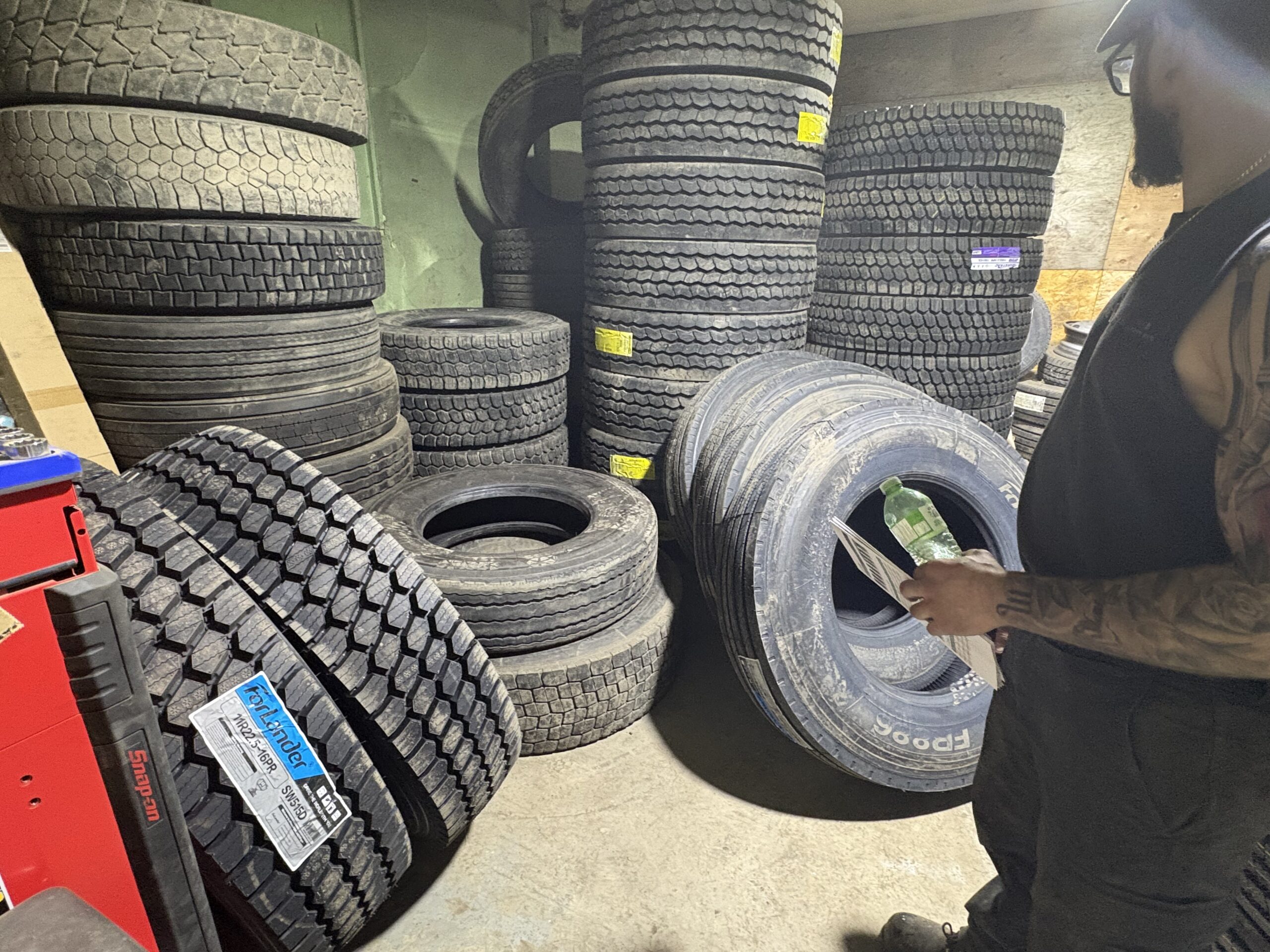
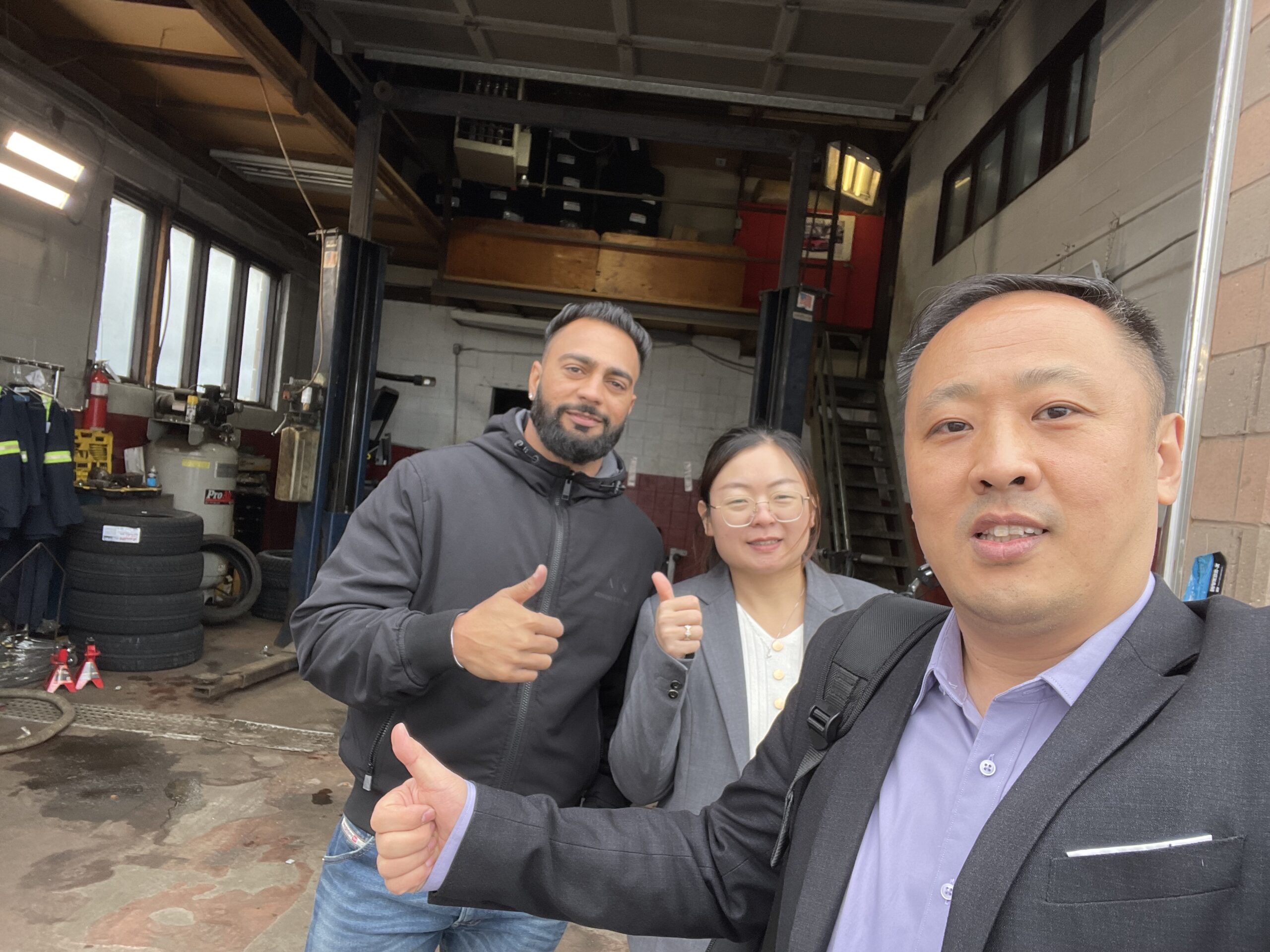
Forlander has established business coverage across Canadian markets, with customer projects in Vancouver, Edmonton, Calgary, Montreal, Toronto, Ottawa, and Winnipeg. Regular customer visits and technical communications collect regional operational feedback and drive product iteration. As more fleet operators and independent buyers choose to buy tires online in Canada, Forlander maintains direct communication channels to support these customers with technical documentation and after-sales inquiries.
4. Targeted Tyre Products for Canadian Conditions
Forlander offers product solutions tailored to Canada’s diverse climate and road conditions:
FR208: Low rolling resistance drive tyre for highway long-haul, prioritising fuel economy
FR206 Plus: Winter traction tyre for mixed and severe winter conditions
SW518D: Winter tyre with enhanced wet surface resistance and wide grooves for ice and snow traction
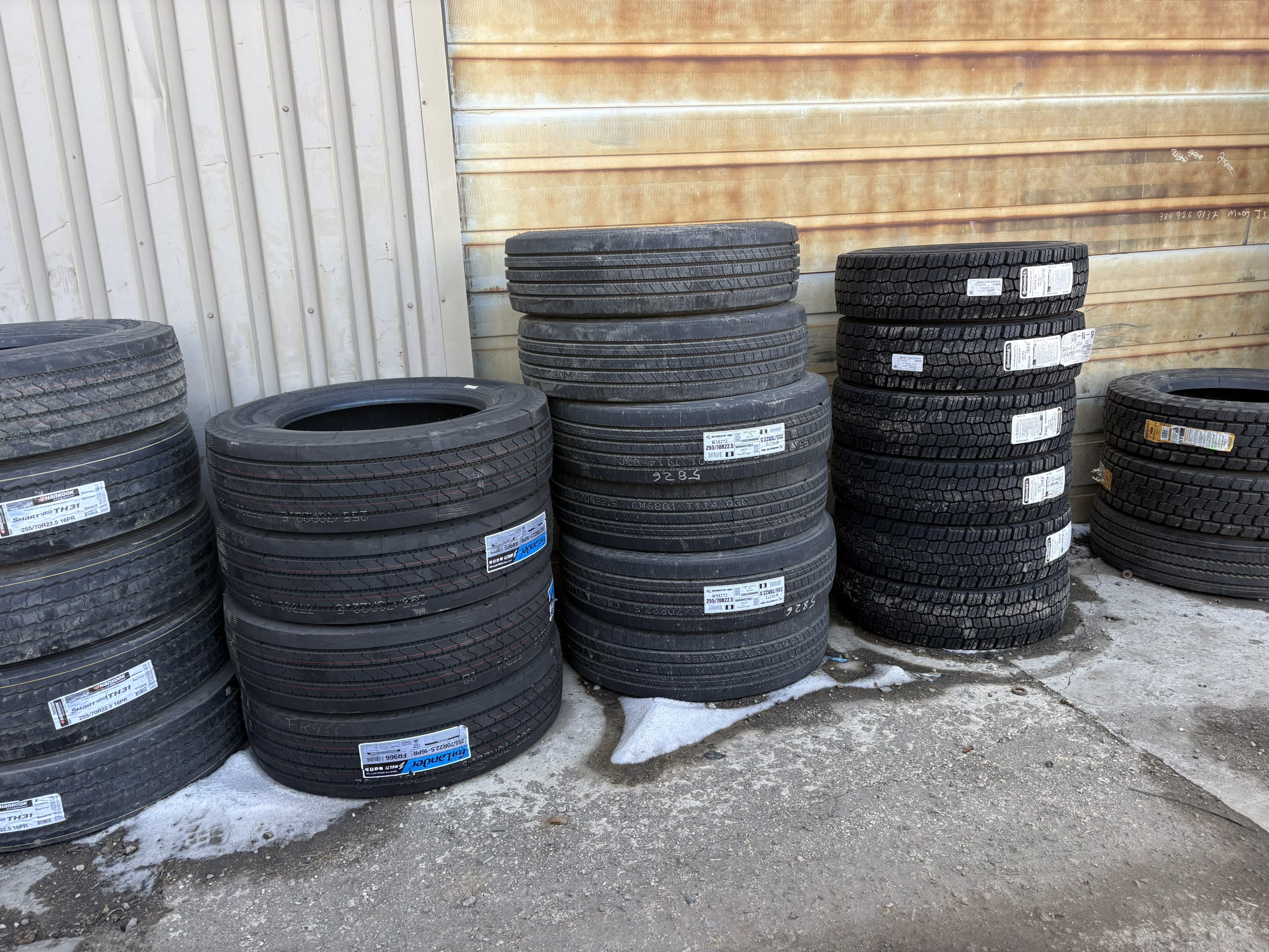
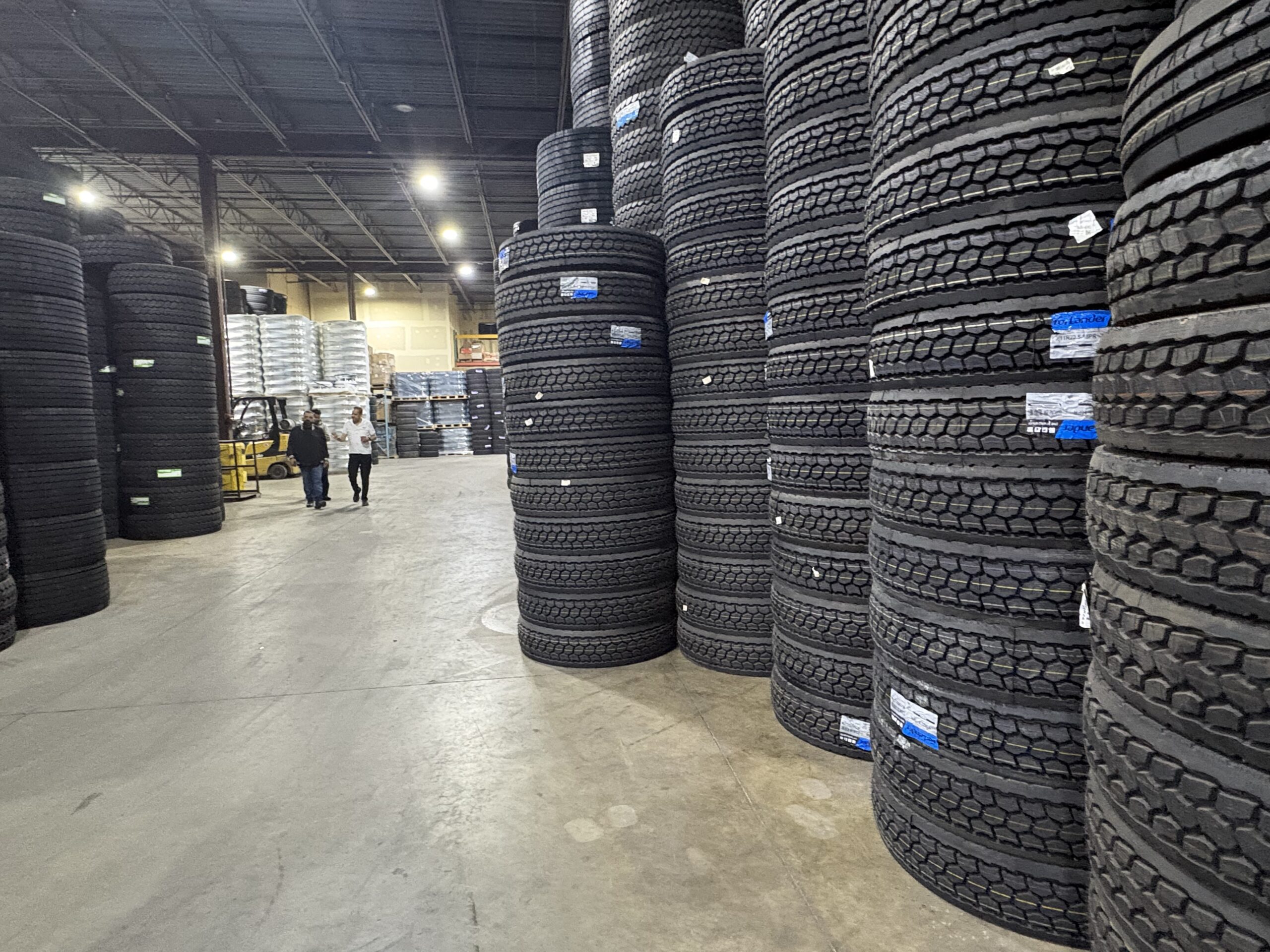
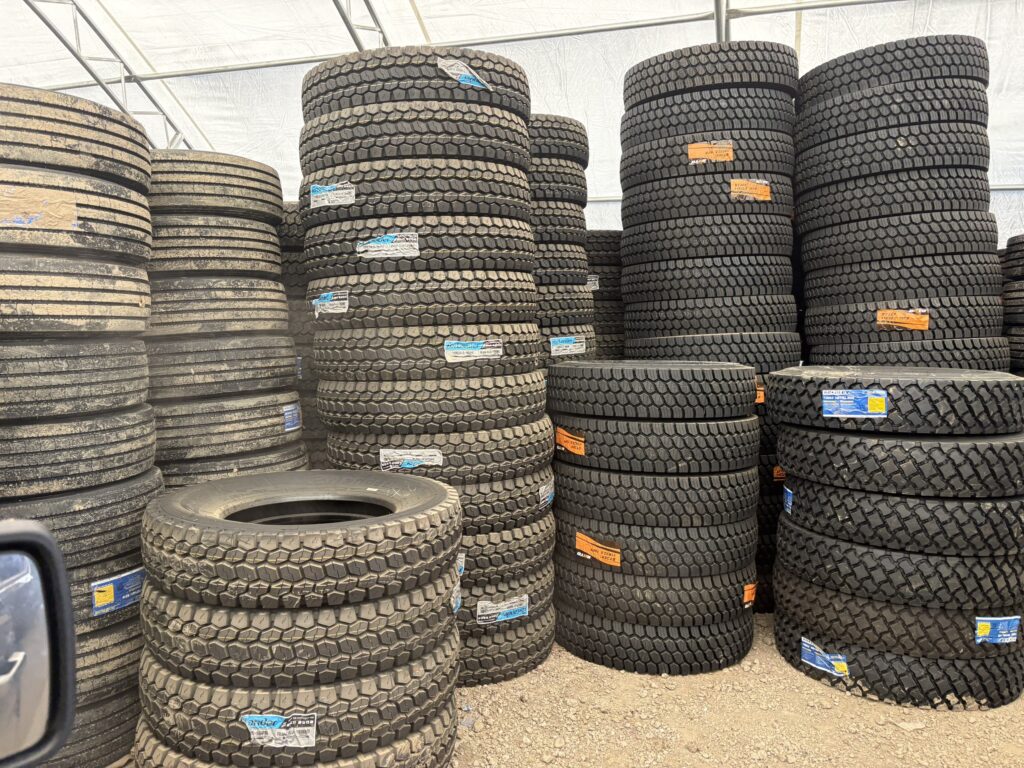
Product lines include TBR truck and bus tyres, PCR passenger car tyres, and OTR tyres, with varied sizes and tread patterns for different applications.
VI. Conclusion
For Canadian importers, the core question is no longer whether to import tyres from China. The key question is whether the supplier has the systems, transparency, and operational discipline to support long-term growth.
When compliance, quality control, logistics, and after-sales support are systematically managed, Chinese sourcing can become a sustainable competitive advantage. Successful importers are not those who avoid all risk, but those who identify, measure, and manage it more effectively than their competitors.